
Author Interview: G.E. Moore
Author of Bealz: Prince of the Southside

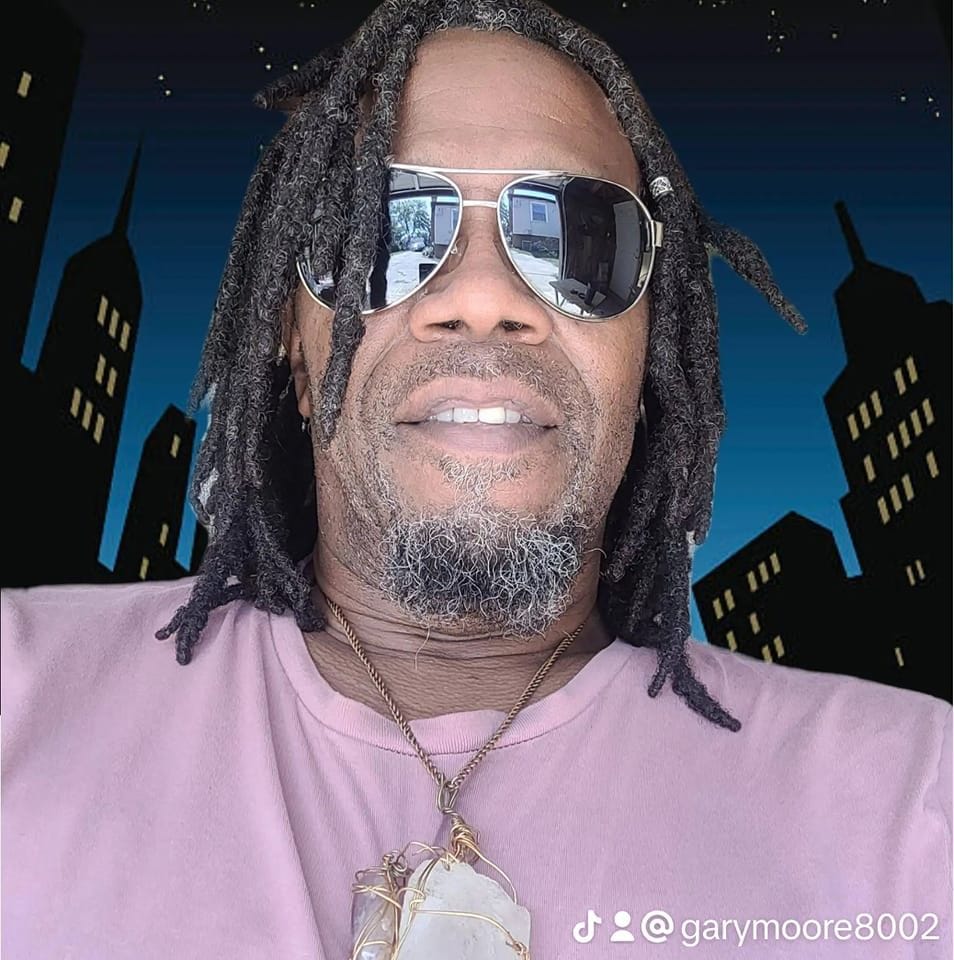
Here is yet another amazing author to check out. These are his thoughts on his approach to the storytelling process. Find out more about his at his website www.gemoorethewriter.com
What is your process of developing characters?
The characters are typically the first thing envisioned when a story idea occurs to me. I may see or read or experience something that sparks an idea that leads me to wonder how I would react or what I would do and from there it’s easy to project that onto a prototype. Everything else branches out from there. If I can see myself in it, dealing with or responding to some sort of stimulus or inspiration, it becomes easier to allow for the story to develop naturally from that point.
Did you Start with a story outline or did you make it up as you went along?
I don’t start with the customary outline, but there is some structure laid out as I develop the initial idea. I typically know where I want the story to go, in general, establishing a definitive starting point and the inevitable conclusion; how I get there can often be fluid, though.
How much research did you need for your latest story?
A lot of what I write is inspired by my compulsive curiosity. I tend to dive deep into whatever may interest me in the moment, a viral video, something I saw on TikTok, a homeless dude offering to wash my car window. When it sets in, I dive into my idea and do the research. Anything that I write, whatever is based on real world suppositions or critiques or opinions, that shits is based on real world research.
What researching methods did you use?
I do a lot of reading. I have a growing collection of books spread across three cities and I will Google some shits to death, always cross-checking and making sure to reference source material when I can.
What are some of your methods for handling worldbuilding and establishing a believable and immersive setting in you stories?
Growing up on a steady diet of comic books, Bionic Men/Women, Star Wars, Harry Potter and more, I was always curious about the lives of the characters beyond the stories as presented. I saw these stories as snapshotts, moments in the lives of these people, and wondered for what it woulld be like to actually live in their worlds. I take that into account as I write.
Did you draw on personal experience?
Most everything that I write is personal. Even the most fantastical or absurdly unbelievable moments, as described in my poetry, is based upon something that I’ve either seen or wondered about or experienced personally. It’s all written from my point of view. This is me, doing my best to express my empathy by considering the reasoning of my characters, hero or villain.
How did your publish?
Hours and hours of research and submissions. I maintain a spreadsheet of every publication that I submit my work to, whether poetry, opinion piece, editorial, article or book submission. There is a lot of red in the ledger, representing the rejections. I focus on the bright blue that peeks out occasionally amongst all that red. So, I set my mind to seeing my work published and shared and was persistent until it happened.
Why did you do it that way?
I didn’t know any other way. When I started out, I had no idea what to do, who to send my work to, how to format it, what to say, what I even really wanted. A lot of times publishers don’t have the time to interact with the many people who submit to them, so the ones who did way back when I first started to send in my work were greatly appreciated and taught me a lot about the process.
What advice would you have for writers looking to publish the way you published?
Be prepared to believe in your work in spite of all else. Be proud of what you create and know that there is likely someone out there who will see its potential. You may just have to go out and find them.
How long did it take to land representation?
Years. And years. It isn’t always easy to maintain the necessary level of dedication to the craft. Life intercedes and looking up after a while, years may have passed in the aftermath. I’ve dealt with at least three massive life-altering disruptions along this journey, but I always maintained my belief in my pursuit of this.
Who did your cover and marketing?
Christy Aldridge of Grim Poppy Design(
https://grimpoppydesign.carrd.co
), is the cover illustrator for my publisher, Nightmare Press and I was pleased with her responsiveness when working closely with me on the final image and design aspect. My publisher is also committed to marketing my book, utilizing their industry connections and their social media network.
What are some of the methods you have used to generate interest in your book?
Until recently I put a lot of energy into creating engaging promotional material and sharing across my social media channels. I’ve also opened myself up to in-person, written and podcast interviews. I’m naturally introverted so this isn’t always the easiest thing for me to do. I’ve also lined up book fair appearances and book signings at local book stores. As an author, it is good to know that most of these independent, locally owned book stores are more than willing to work with an author.
Did you use beta readers? How did you secure them?
My family and friends were initially my beta readers. I had a commitment early on from a different publisher that, unfortunately, ceased operations before we could move forward, who featured weekly installments of the story early on and I would receive feedback in that instance, as well. Overall, I found it challenging to find those willing to commit to it.
How many revisions did it take to get a publishable book?
Bealz, Prince of the Southside was under constant revision, even after its submission and acceptance by a publisher. A modest estimation would be in the dozens. Even now, when I read the published, finished work, I see some things I’d like to tweak.
What aspect of the book writing process did you find the most challenging?
Beyond the challenge of fleshing out a fleeting idea, finding its reason for being, the editorial process, as mentioned, is the biggest hurdle I face when working on a piece, whether poem or prose. Finding a good place to declare the work finished is often hard to discern.
What are you writing now?
I actually just completed two separate manuscripts this past year. One of which had been in the works for a year or more, the other was written in a fast-paced sprint. I’ve been offered publishing contracts for them both and they are officially in the pipeline and soon to be published. I am also working on completing the follow up to my first published novel, Bealz: Prince of the Southside. The majority of it is completed, I mostly just have to commit to the aforementioned editorial process.
What is your advice to other writers?
Read. Write. Review. Repeat.
Read everything. Books. News articles. Research papers. Erotica. Academia. Religious works. Restaurant menus. Whatever you can get your hands on. Open yourself up to it all and feel free to write about anything. Please yourself first and foremost, and then, please, share with the world.
Check out his Book Bealz: Prince of the Southside, here!
And if you find this interview useful, subscribe! I post Author interviews monthly.