Author Interview: Darius McCall
Author of The McCall Crime Syndicate Substack

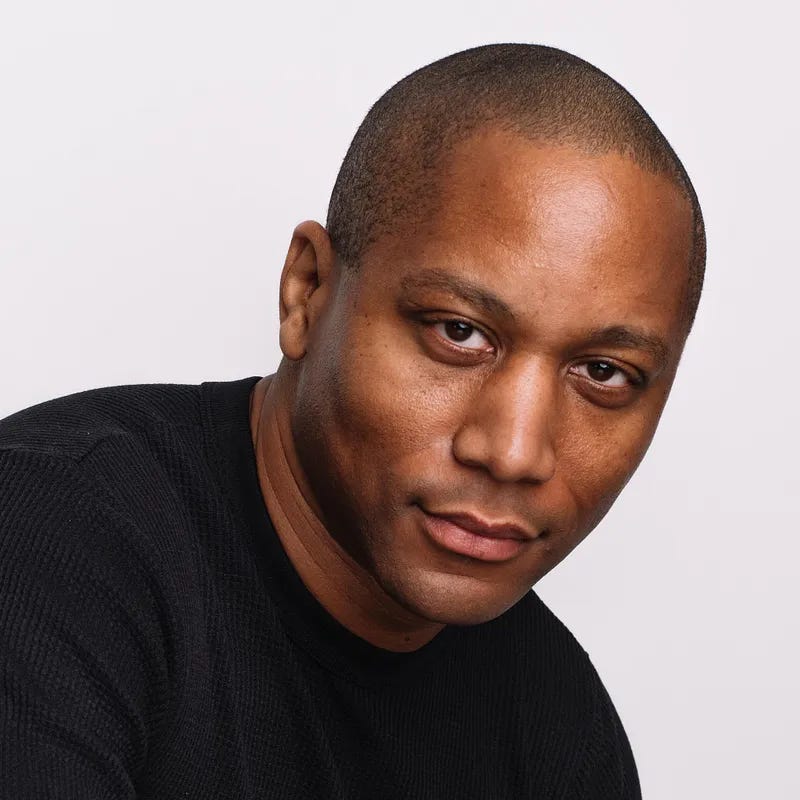
I had the pleasure of being introduced to the work of Darius when he took an interest in my Article about writing Street Lit. Turns out he has a Substack where he posts urban crime fiction, and he also has a separate Substack of motivational posts. I picked his brain about his approach to storytelling, and here’s what he had to say.
What inspires your writing?
Survival. Writing is not art for me—it is war. I write because I refuse to die ordinary. My work is fueled by redemptive shame and the fury of wasted time. I am building a doctrine for men who feel alone in their ambition.
What is your process of developing characters?
I do not create characters—I weaponize them. Each one is a pressure point in the world I am dismantling. I build their psychology from wounds first, then layer deception, loyalty, and ambition on top until they become dangerous.
Did you start with a story outline or did you make it up as you went along?
I outline with the discipline of a general preparing for war. Beats, betrayals, downfalls—it is all mapped. But I leave space for chaos. My characters often revolt mid-chapter, and when they do, I let the strongest win.
How much research did you need for your latest story?
Enough to ensure that no critic can say I guessed. I researched organized crime structure, cartel politics, and judicial procedures. My story isn’t fantasy—it is what happens when systems rot and men sharpen their teeth in silence.
What researching methods did you use?
Court transcripts. First-person gang testimonies. Trial footage. Smuggled interviews. I consume the real, the raw, the painful. I do not skim headlines. I dig until I find blood under the fingernails.
What are some of your methods for handling worldbuilding and establishing a believable and immersive setting in your stories?
I strip it to the bones. No exposition dumps. Just tension, texture, and consequence. The world reveals itself through pressure. A silent warehouse speaks more truth than three pages of scenery. I make the reader smell the smoke and hear the teeth grind.
Did you draw on personal experience?
Yes. I was born deaf, poor, and overlooked. I’ve driven 30,000 Uber rides just to keep writing. My lead character is deaf. I give him my fury, my silence, and my war with perception. I write like my life depends on it—because it does.
How did you publish?
I publish through Substack and my own imprint, McCall Doctrine Publishing. No gatekeepers. No begging. I built the press I needed.
Why did you do it that way?
Because legacy doesn’t wait for permission. I own the ink, the press, and the doctrine. Every word I print is mine—and no one can cancel it, dilute it, or explain it away. I write for impact, not applause.
What advice would you have for writers looking to publish the way you published?
Own everything. The platform, the name, the message. Do not chase agents—build an army. Create your own publishing company if no one will hand you the keys. If your work is survival-grade, readers will come. If it is soft, they will scroll past. Harden it.
Who did your art and marketing?
I oversee all of it. My vision. My standard. My team follows orders. I use virtual assistants for execution, but nothing leaves the compound without my command. Every visual must match the doctrine.
What are some of the methods you have used to generate interest in your writing?
I weaponize cliffhangers, I drop raw excerpts on social media, I publish weekly with ruthless consistency. My writing isn’t content—it is a call to war for those who still believe in grit, order, and legacy. People do not follow me. They enlist.
How many revisions did it take to get a publishable story?
Too many to count. I write like a butcher and edit like a surgeon. Each draft removes the fat, tightens the muscle, and hones the blade. I write until it bleeds clean.
What aspect of the writing process did you find the most challenging?
Silencing the inner coward. The one that wants to water it down, make it pretty, keep it safe. I had to murder that voice. Now I write with no muzzle, no mask, and no mercy.
What methods do you use to ensure your crime scenes are authentic, accurate and believable?
I research real cases. I study autopsy reports, forensics, criminal psychology. I ask: What would a prosecutor think? What would a killer do? If I cannot smell the fear or feel the bone snap, it is not done.
What are you writing now?
The Silent Mob—a multi-book crime saga led by a deaf mastermind. It is crime fiction without compromise—where betrayal is currency, silence is power, and weakness is fatal. I am also building The McCall Method—a Substack doctrine for high-performers who refuse to die average.
What is your advice to other writers?
Stop writing for likes. Start writing for legacy. Write like your name depends on it. Write like your kids will read it long after you are dead. And never forget—if you are not willing to suffer for the page, do not expect the page to reward you.
Check out Darius’ Crime stories at his Substack!
Here’s a link to his motivational Substack, too.
If you like this interview, subscribe! I post these monthly.